Digital conversation removes many signals that guide how messages land. A short sentence can feel sharp, flat, or playful based on context alone. Emojis step into that gap and offer quick emotional cues when voice and body language stay absent.
After a long conversation, many people scroll or shift attention before re-engaging. That moment often includes casual browsing, light interaction, or a quick distraction like the immersive roulette casino game, where visual cues guide attention without effort.
Emojis serve a similar purpose in conversation. They shape how a message comes across before the reader focuses on the words themselves.
Emojis as Emotional Context Markers
Text alone leaves room for doubt. Sarcasm can read as rudeness. Excitement can sound forced. Emojis provide emotional context that narrows interpretation. A smile can signal friendliness. A wink can suggest irony. A simple heart can show support without a long explanation.
This function matters most in short exchanges. Quick replies dominate modern digital habits. Emojis reduce the need for clarification and help readers grasp intent at a glance. They act as tone anchors that keep conversations smooth, even when messages stay brief.
How Emojis Shift Perception of Intent
Readers judge messages within seconds. Emojis influence that judgment. A statement with no symbol may feel neutral or cold. The same words with an emoji often feel open or relaxed. This shift affects how people respond and how long conversations last.
Tone also shapes trust. Friendly cues suggest approachability. Clear emotional signals reduce the risk of conflict. In group spaces, emojis help align reactions and signal shared understanding. They create a social rhythm that text alone struggles to deliver.
Common Tone Effects Emojis Create
Emojis do not all serve the same role. Each category changes tone in a distinct way, depending on placement and context. The effects below appear across chats, comments, and professional spaces when used with care:
- Softening direct statements by reducing perceived sharpness
- Adding humor or irony where words feel too serious
- Expressing empathy without long emotional explanation
- Reinforcing positivity after praise or agreement
- Clarifying intent in short or ambiguous replies.
These effects depend on placement and intent. An emoji gains value when it appears at a moment that shapes interpretation, such as emphasis or closure.
Excess use weakens impact and shifts attention away from the message. Tone remains effective when symbols support clarity instead of competing with the words.
Cultural and Generational Tone Differences
Emoji meaning shifts across age groups and cultures. A symbol that feels friendly to one audience may feel sarcastic to another. Younger users often treat emojis as tone punctuation. Older users may see them as decoration or emphasis.
Platform norms also matter. A thumbs-up may signal approval in one space and a passive response in another. Writers who understand their audience avoid tone mismatch. Awareness keeps emojis helpful rather than confusing.
When Emojis Improve Clarity and When They Do Not
Informal and semi-formal exchanges benefit most from visual tone cues. Clarity improves when emotional nuance matters, including everyday work communication such as internal chats, team updates, and collaborative threads.
Formal communication calls for restraint. Excessive use can weaken authority or distract from content, especially in client-facing messages or official documents. In those cases, a single symbol may fit at the end, if at all. Effective tone control depends on balance, not volume.
Emojis as Part of Digital Language
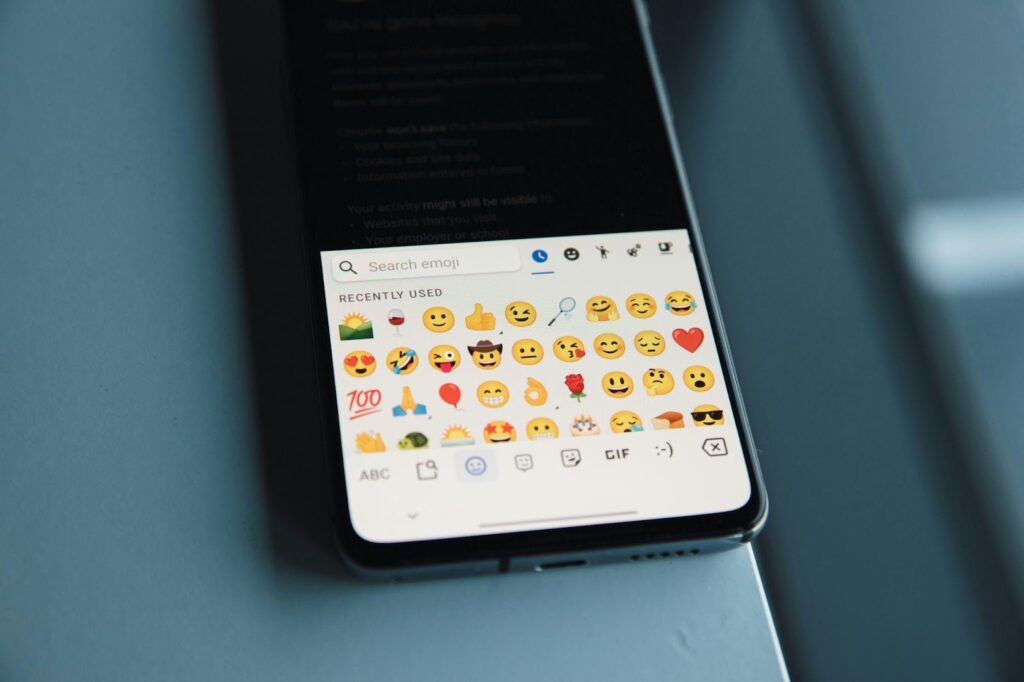
Emojis no longer act as extras. They function as part of modern digital language. They shape tone, guide response, and influence connection. Their power comes from subtlety and timing, not novelty.
As online interaction continues to evolve, emojis remain a practical tool. They help text feel human, direct, and emotionally clear. Used with intention, they turn plain words into conversation that feels alive.