How wide is a football goal? It may seem like a simple question, but not every football fan knows the exact answer. The goal is one of the most important areas on the pitch, determining whether a shot becomes a goal. Goal dimensions are specifically defined by the Laws of the Game and differ between 11-a-side, 7-a-side, and 5-a-side football.
For those who regularly follow football on Xôi Lạc Link, understanding goal dimensions can make watching shots, saves, and attempts that narrowly miss the post even more interesting.
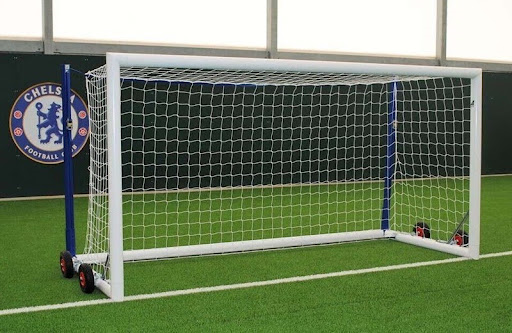
What are the standard FIFA dimensions of an 11-a-side football goal?
According to the regulations for 11-a-side football, a goal is 7.32 meters wide and 2.44 meters high. The width is measured between the inner edges of the two goalposts, while the height is measured from the ground to the underside of the crossbar.
Therefore, if you ask how wide a football goal is, the standard figure to remember is 7.32 meters across. The corresponding height is 2.44 meters.
The two goalposts and crossbar must meet the dimensions specified in the rules of the game. A net is usually attached behind the goal to catch the ball after a player scores.
These dimensions are widely used in professional matches and official competitions. When Xoilac broadcasts an 11-a-side football match, viewers can clearly visualize the proportions of the goal in relation to the entire pitch.
Why is a football goal 7.32 × 2.44 meters?
Goal dimensions are not chosen at random. These regulations create a reasonable balance between a striker’s ability to score and a goalkeeper’s opportunity to make a save.
At more than seven meters wide, the goal provides players with sufficient space to attempt various types of shots. However, the height of 2.44 meters also presents a considerable challenge for shots aimed at the upper corners.
This balance contributes to the excitement of football. A goalkeeper with excellent reflexes can stop a shot that seems certain to go in. Conversely, a technically gifted striker will try to place the ball in the most difficult areas to reach.
When reviewing kqbd dem qua, many people focus only on the score and overlook the moments that made the difference. In reality, goal dimensions directly affect how players choose their shooting angles and how goalkeepers organize their defensive positioning.
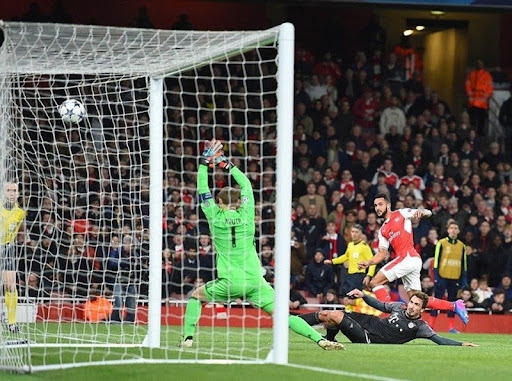
Is a 7-a-side football goal the same size as an 11-a-side goal?
No. Seven-a-side football uses a smaller goal than 11-a-side football. The exact dimensions may vary depending on the competition’s regulations, the players’ age groups, and the competition format.
This difference stems from the characteristics of 7-a-side football. The pitch is smaller, there are fewer players, and the distances between positions are different. If a full-size 7.32-meter goal were used, matches could feature too many scoring opportunities.
As a result, 7-a-side competitions generally use goals suited to the pitch dimensions and the players’ age groups. When watching football on Xoilac TV, viewers should identify the type of competition before comparing goal sizes.
How wide is a 5-a-side football goal?
Five-a-side football, also known as futsal, uses an even smaller goal. Under the commonly used futsal standards, a goal is 3 meters wide and 2 meters high.
The considerable difference from 11-a-side football reflects the distinctive nature of futsal. The playing area is small, matches move at a fast pace, and players frequently shoot from close range. Therefore, the goal is made smaller to maintain balance.
If you regularly visit Xoilac 86 to follow different forms of football, you will notice that differences in goal dimensions significantly affect playing styles. Futsal emphasizes quick combinations and unexpected shots, while 11-a-side football offers more space for teams to develop their tactics.
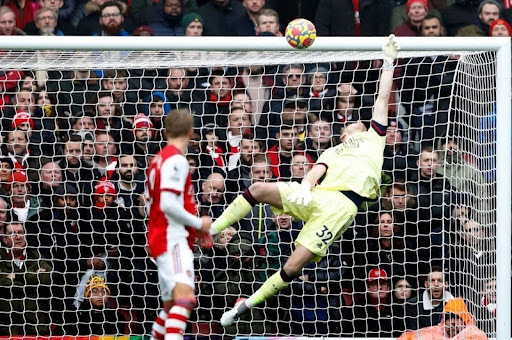
How do goal dimensions affect scoring?
Goal dimensions are one of the important factors influencing scoring rates. With a goal measuring 7.32 meters wide, goalkeepers must cover a relatively large area.
This is also why professional goalkeepers need exceptional positioning. If they stand too close to one post, they may leave space exposed in the center. If they position themselves too far forward or backward relative to the ball, their ability to react to a shot can also be affected.
For strikers, understanding the goalkeeper’s position helps them choose more effective shooting angles. A shot toward the far corner is generally more difficult to save than one aimed directly at the goalkeeper’s current position.
Those who follow kqbd dem qua can pay attention to this when reviewing goals. Many successful finishes come from players making excellent use of the small gap between the goalkeeper and the goalpost.
Conclusion
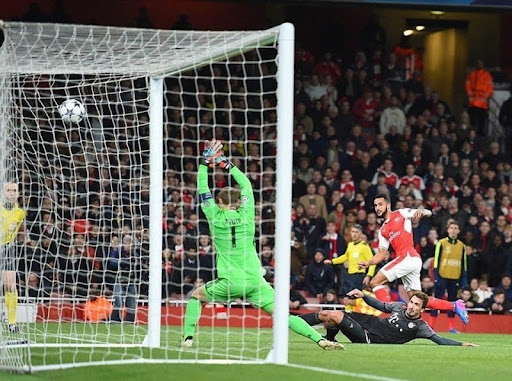
For 11-a-side football, a standard goal is 7.32 meters wide and 2.44 meters high. These are the widely used dimensions in professional competitions around the world. Meanwhile, 7-a-side football and futsal use smaller goals designed to suit the playing area and the number of players on the pitch.
When Xôi Lạc 86 covers matches, you can pay closer attention to the goalkeeper’s position, shooting angles, and the distance between the ball and the goalposts. These seemingly minor details can determine the outcome of an entire match.
By combining knowledge of goal dimensions with following kqbd dem qua, fans can gain a more comprehensive understanding of each team’s attacking efficiency and defensive ability. In football, sometimes just a few centimeters can make the difference between a goal and a spectacular save.