Keno is a number-based game in which players select numbers from a larger pool and wait for a draw to determine the result. Its simple format makes it easy to follow, while the number of possible combinations creates different levels of difficulty. Keno GO88 brings this familiar concept into a digital environment, although the available formats and rules may differ depending on the version. Understanding the draw process, selection options, and probability can help users approach the game with more realistic expectations.
The Basic Idea Behind Keno
Keno revolves around matching selected numbers with those drawn during a round. A standard format often uses numbers from 1 to 80, although other versions may use different pools or draw sizes. Players choose a limited number of selections, and the system produces a result from the available pool.
The outcome depends on how many selected numbers appear in the draw. Matching more numbers may correspond to a higher payout under the applicable paytable, but the exact conditions vary. Unlike games that involve direct competition between players, a typical keno round evaluates each selection against the same draw result.
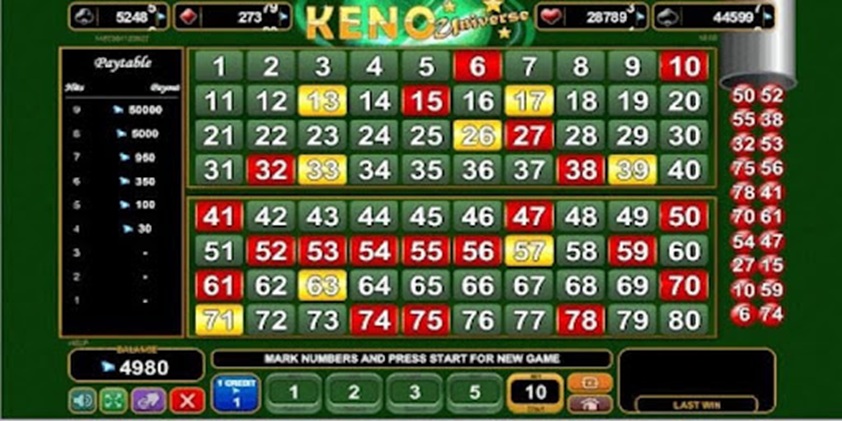
Selecting Numbers From a Larger Pool
Before a draw begins, players choose the numbers they want to include. Some formats allow a small selection, while others permit a larger group. The number of selections is often called the spot count, and it influences the possible matching combinations.
Choosing fewer numbers can make certain match counts easier to achieve, while selecting more numbers creates a different range of possible outcomes. Neither approach guarantees a better overall return. The relevant probabilities and payout structure must be considered together.
Understanding the Draw Process
Once selections are confirmed, a predetermined number of results is drawn from the full pool. In an 80-number format, for example, a round may draw 20 numbers without replacement. The selected numbers are then compared with the results to determine how many matches occurred.
A digital version may display the draw as numbered balls, animated results, or a simple list. These presentation differences do not necessarily change the underlying rules. Players should check the stated number pool and draw size before interpreting the outcome.
How Different Keno Selections Work
When TẢI GO88 and play, you can see Keno offers several ways to approach a round, depending on how many numbers can be selected and how the payout table is structured. Understanding these options is more useful than choosing numbers based solely on personal preference or recent results.
Small and Large Spot Counts
A small spot count means selecting only a few numbers. This creates fewer possible matching combinations and may make certain match thresholds more accessible. However, a payout table can still require a complete match or another specific result before awarding a return.
A larger spot count introduces more selected numbers and a wider range of possible match totals. It may be harder to match every selection, even though partial matches can remain relevant under some paytables. The relationship between selection size and payout should always be assessed using the actual rules.
Quick Picks and Manual Selection
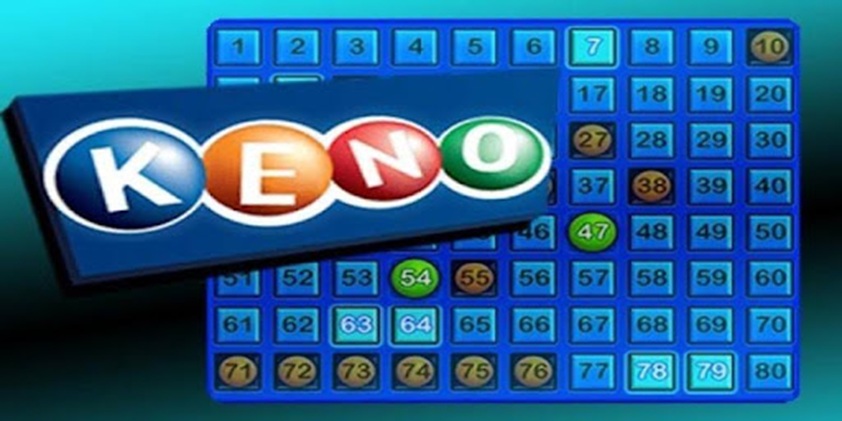
Some keno formats provide an automatic selection feature, often called Quick Pick. The system chooses the numbers on the player’s behalf, removing the need to select each one manually. Manual selection, by contrast, allows users to choose numbers according to personal preferences.
Neither method improves the mathematical probability of a particular combination being drawn. A manually selected set is not inherently more likely than a randomly generated set of the same size. Quick Pick is simply a convenience feature where available, not a prediction tool.
What Determines a Keno Result?
The result is determined by the number of selected entries that appear in the draw. A player who selects ten numbers, for instance, may match none, some, or all of them. The payout table specifies which match counts qualify for a return and the corresponding amount.
Matching Numbers and Paytable Conditions
A paytable maps the number of selections and successful matches to the applicable payout. Some combinations may produce no return, while others may qualify for a fixed amount or a multiplier. The structure can vary significantly between versions, so one game’s payout table should not be used to interpret another.
Before confirming a round, users should review the required match counts and any special conditions. They should also distinguish between a gross payout and net profit, since the original amount committed may need to be considered separately.
Why the Same Match Count Can Have Different Outcomes
The number of matches alone does not always determine the final return. A paytable may treat a result differently depending on the original spot count. For example, matching four numbers from a five-number selection may have a different payout from matching four numbers out of ten.
This is why players should read the complete table rather than focusing on a single advertised payout. A high potential multiplier does not automatically mean a selection offers favorable value, especially when the required outcome is relatively unlikely.
Conclusion
Keno Go88 brings a familiar number-drawing format into a digital setting, with results determined by the relationship between selected numbers and the final draw. Learning about spot counts, paytables, and combination probabilities provides a clearer picture of how the game works. Since formats and conditions can vary, users should verify the specific rules, observe applicable legal requirements, and maintain responsible limits rather than relying on prediction systems or expectations of guaranteed returns.